

Recycling
The recycling of aerosol products depends on local recycling systems and disposal requirements. Before disposing of used aerosol products, please contact your local council or waste management authority for the applicable guidelines in your region.
Completely empty aerosol cans, separated from detachable plastic or cardboard components, can usually be recycled through local metal recycling systems where available.
Cans that are not completely empty should be disposed of through authorized collection points or hazardous waste facilities according to local regulations.
Packaging and logistics processes are continuously reviewed to reduce selected material streams where technically feasible. Examples include lid-less cans and optimized packaging solutions that help reduce the use of plastic lids and cardboard packaging.

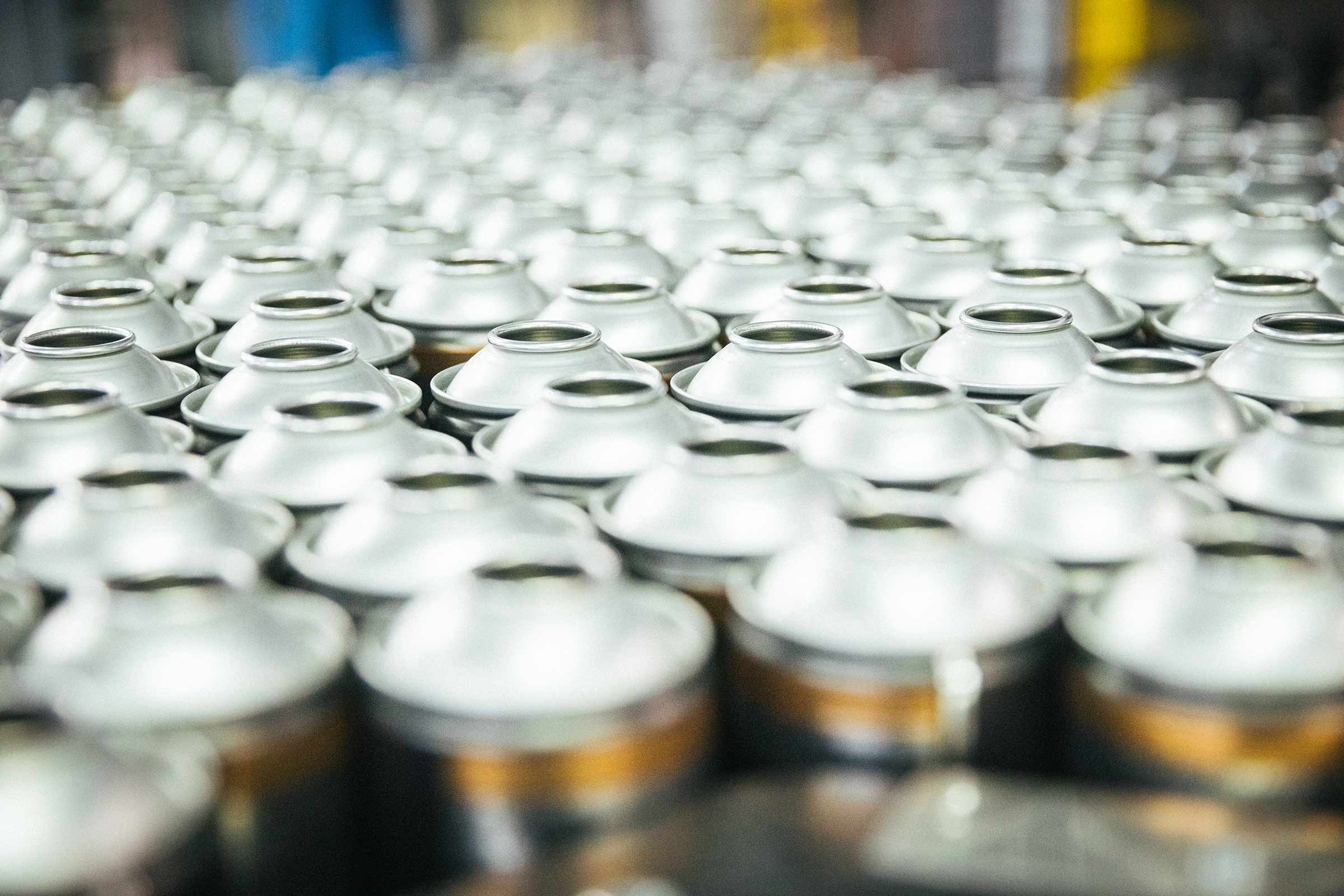
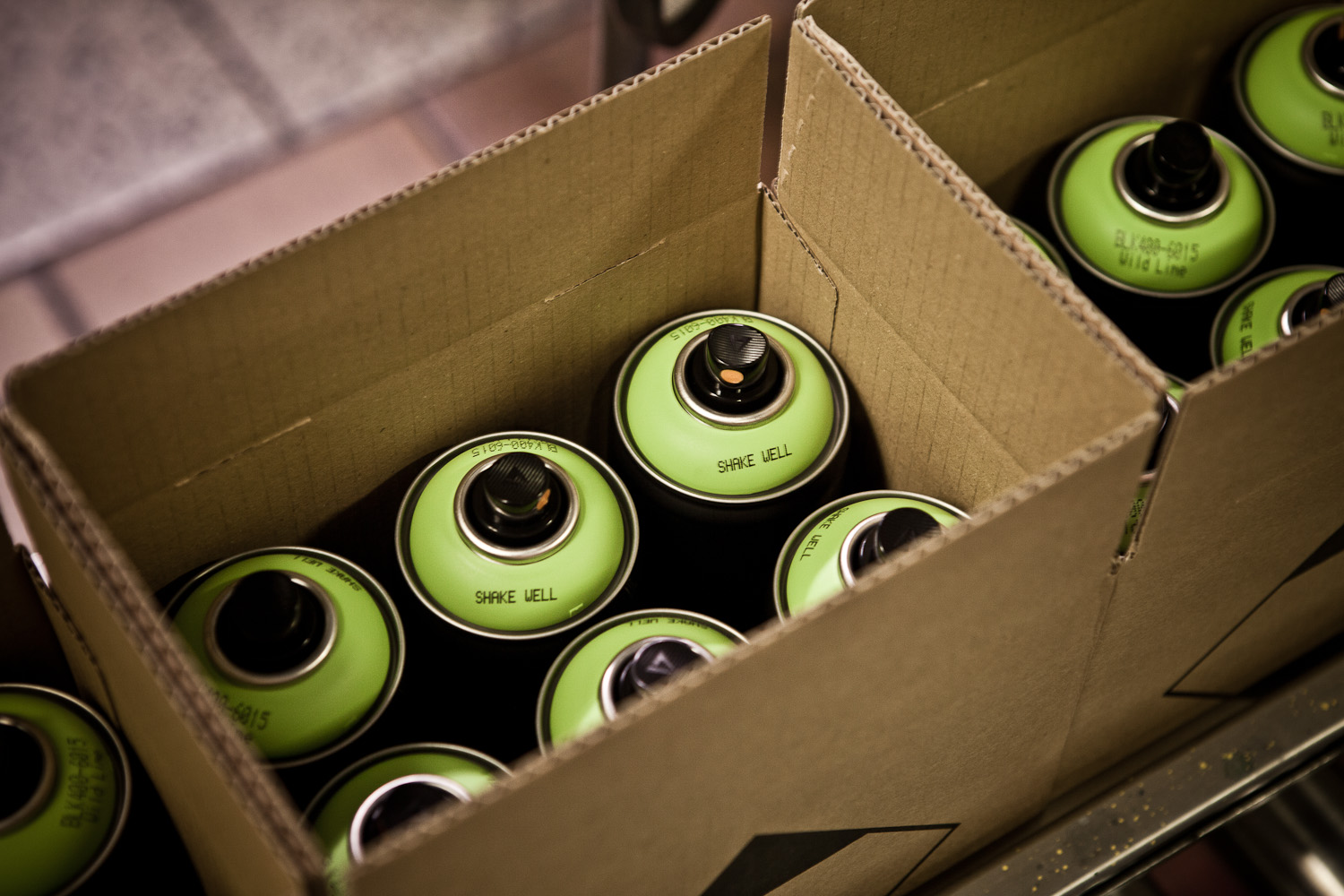
Every Montana Cans aerosol spray is not only a valuable tool for applying paint or coatings, but they are also valuable raw materials that can be recycled for reuse in different forms. As an aerosol manufacturer, the European Aerosols Group considers it its duty to assist the users of its products with information for the responsible disposal and recycling of the products they have used. Before proceeding with the recycling of your empty aerosol products, we recommend contacting your local council or government waste management body for the specific requirements to recycle aerosol products in your region.
WHAT EXACTLY IS RECYCLING?
Simply put, recycling refers to the reuse of the materials used to make products that are empty or are no longer functional. The recycling process is also called "material recovery". Recycling can also result in one raw material being re-manufactured into a new context or for a different product. Re-using raw materials avoids them from becoming landfill and supplies the manufacturing industry with materials that do not have to be sourced from natural origins like mines or forests. Glass, paper, cardboard, iron, non-porous metals, and plastics are particularly suitable for this purpose. An important prerequisite for effective "material recycling" is that the recyclable materials are collected as purely as possible, or that they are separated from the rest of the waste as easily as possible.
HOW TO RECYCLE AEROSOL PRODUCTS - GENERAL INFORMATION
The recycling of empty aerosol products varies from place to place depending on where you are, and who is responsible for the recycling in your municipality. Although the below information is a general guide, we always recommend contacting your local council, or the governmentally run organization(s) that manage the disposal of waste in your region.
All filled products of Montana Cans can be returned to the recycling cycle once completely empty. Important is the separation of detachable aspects of the can like the plastic lids or interchangeable nozzles, and the packaging materials such as cardboard boxes, are removed without the use of tools that could pierce the container. For cans that have small amounts of content left in them, it may be possible to spray into an old rag, cloth, or absorbent material to empty them out. These cloths or rags can be disposed of in household waste once dry. Dispose of the plastic and cardboard waste in the appropriate recycle bins as provided by your local council. Any completely empty cans without pressure or contents can usually be recycled with the standard metal product recycling program in your locality.
MY CAN IS NOT COMPLETELY EMPTY, WHAT CAN I DO?
It is sometimes not possible to empty old aerosol products that no longer have any pressure. The result may be cans that still have small amounts of fluids in them. In this case, it is important to dispose of these products correctly within the guidelines and requirements of your municipality. If the products are not completely empty they can be handed in at collection points such as government-run recycling centers, recycling yards, hazardous waste collection, or authorized waste disposal sites. Due to the different forms of administration, categorization, and management of the treatment of municipal waste, please contact your local council or government body directly should you have any uncertainties.
Laws and guidelines vary from country to country. Our manufacturing standards comply with the applicable legal regulations and requirements in the markets where our products are available. Packaging and logistics processes are continuously reviewed to reduce selected material streams where technically feasible. Examples include a wide selection of lid-less cans and the use of the color donut system, which helps reduce the use of plastic lids and cardboard packaging where possible.